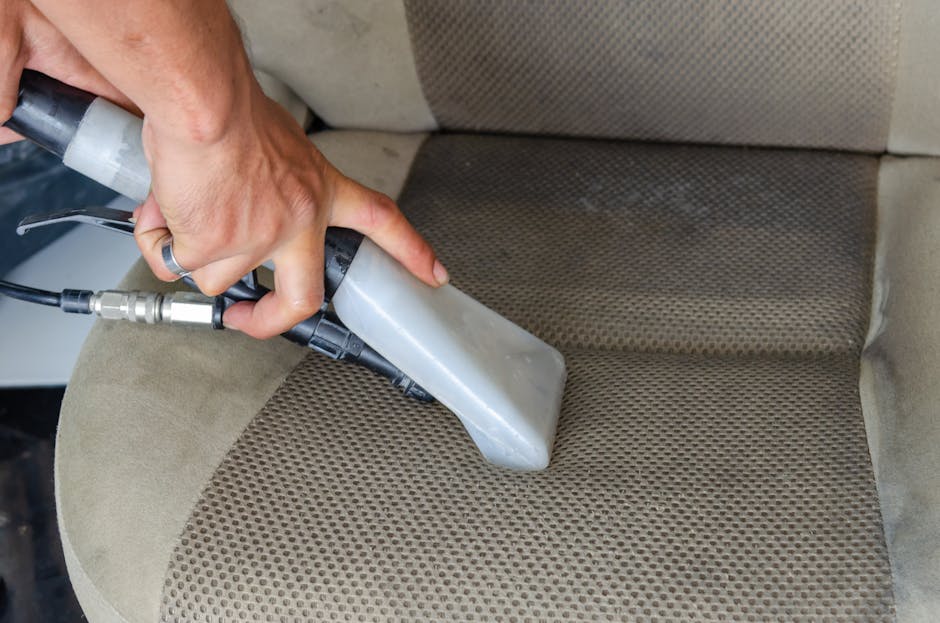
Gillespie Road upholstery cleaning near Arsenal Station
Posted on 03/05/2026
Gillespie Road upholstery cleaning near Arsenal Station: a practical local guide
If you live, work, or rent around Gillespie Road, you already know furniture takes a beating faster than you expect. One rainy London afternoon, a sofa can end up with muddy marks from the hall, a faint food spill from last night, and that general "lived-in" look that creeps up on you. That is exactly where Gillespie Road upholstery cleaning near Arsenal Station comes in. Done well, it restores comfort, improves the look of a room, and helps your furniture last longer without making the whole process a drama.
This guide is for anyone trying to decide whether upholstery cleaning is worth it, how it actually works, what results to expect, and how to choose a sensible local service. We'll keep it practical, a bit grounded, and focused on what matters in real homes, flats, and small offices around Highbury and Arsenal.
For broader local context, you may also find our pages on upholstery cleaning in Highbury, carpet cleaning in Highbury, and deep cleaning services in Highbury useful. If you're planning a wider refresh, our spring cleaning Highbury page is a good place to start too.
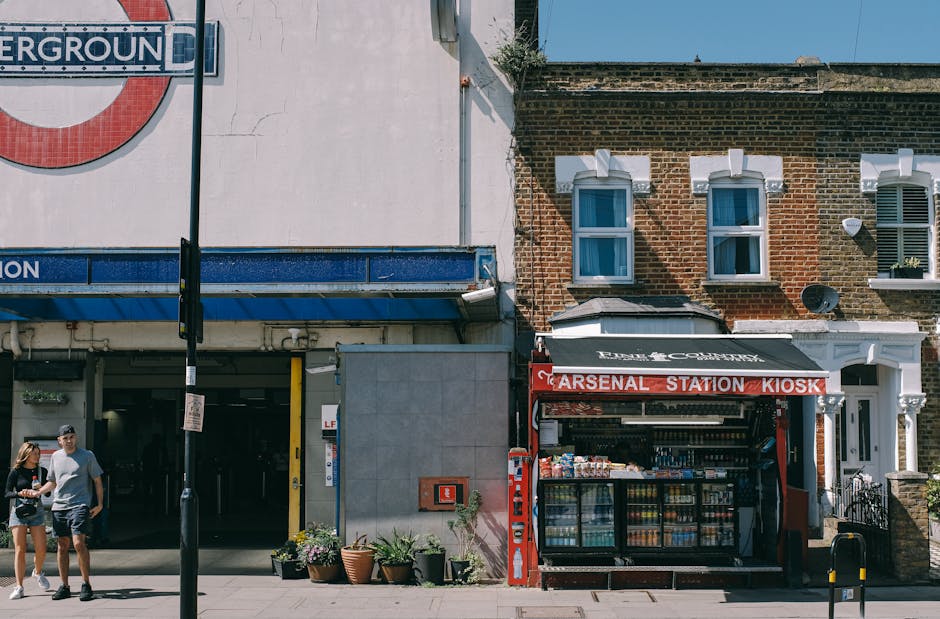
Why Gillespie Road upholstery cleaning near Arsenal Station Matters
Upholstery cleaning is not just about making a sofa look prettier for a weekend. Around Gillespie Road and the streets feeding toward Arsenal Station, homes often deal with a mix of foot traffic, compact living spaces, and everyday London grime that seems to arrive on its own. Add in pets, children, takeaway nights, and the occasional commuter rush, and soft furnishings can start looking tired well before they should.
Here's the simple truth: upholstery holds onto more than visible marks. Dust, oils from skin contact, crumbs, pollen, and odours all settle into fabric and cushioning over time. Even if a chair looks okay from across the room, it may still feel stale up close. That's why a proper clean matters. It refreshes the fabric, supports a healthier-feeling indoor environment, and can make a room feel calmer straight away. Not flashy. Just noticeable.
For local households, timing matters too. Many people near Arsenal Station want work carried out with minimal disruption, especially in flats or smaller homes where drying space is limited. A good cleaner understands that and plans accordingly. If you are comparing wider household support, our house cleaning Highbury and domestic cleaning Highbury pages explain how upholstery care fits into regular home maintenance.
Expert takeaway: upholstery cleaning near Gillespie Road is most valuable when it is treated as maintenance, not rescue work. Regular care is easier, cheaper, and far kinder to the fabric than waiting until stains have settled in for months.
And yes, you can usually tell when a sofa is overdue. The fabric loses that cleaner texture, the armrests darken first, and the room starts smelling a bit flat. Nothing dramatic, just enough to annoy you every time you sit down.
How Gillespie Road upholstery cleaning near Arsenal Station Works
Professional upholstery cleaning is usually a careful, methodical process rather than a quick spray-and-wipe job. The exact method depends on the fabric, age of the furniture, and the type of soiling involved. That said, most reliable services follow a sensible pattern.
1. Inspection and fabric identification
First, the cleaner looks at the furniture type, fabric composition, construction, and condition. This matters because wool, cotton blends, synthetics, velvet, and delicate weaves do not all respond the same way. A decent cleaner checks labels where possible and tests a discreet spot if needed. To be fair, this is the bit that separates careful professionals from guesswork.
2. Dry soil removal
Before any liquid cleaning starts, loose dust and debris should be removed. This stage is easy to overlook, but it makes a noticeable difference. If the fabric is not properly vacuumed first, dirt can turn into grime once moisture is introduced. Nobody wants that.
3. Pre-treatment of stains and high-use areas
Armrests, headrests, seat cushions, and the front edge of sofas usually need extra attention. Localised pre-treatment helps loosen common spots such as drink marks, body oils, light food stains, and general traffic lines. Pre-treatment is not a magic wand, but it does improve the chances of a more even result.
4. Main cleaning method
The main clean may use hot water extraction, low-moisture cleaning, or a fabric-appropriate foam or encapsulation approach. Not every method suits every item. For instance, a robust synthetic sofa often tolerates more intensive cleaning than a very delicate chair or a heritage-style piece. The best approach is the one that fits the textile, not the one that simply sounds most powerful.
5. Rinse, recover, and groom
Once the soil has been lifted, the fabric is usually rinsed or recovered to remove residues. In some cases, the cleaner will groom the pile or brush the fibres into a more uniform finish. That final touch may seem small, but it helps the upholstery dry more evenly and look better when it is finished.
6. Drying guidance
Drying advice should be specific. Open windows if the weather allows, keep heating sensible rather than aggressive, and avoid sitting on the furniture too soon. In London flats, where airflow can be a bit awkward, drying time is often the part that needs the most planning.
If you're comparing broader service scopes, the services overview page can help you see how upholstery work sits alongside other property cleaning options. And if your furniture issue is really part of a wider reset, a one-off cleaning Highbury appointment may be a better fit than a single specialist visit.
Key Benefits and Practical Advantages
People usually book upholstery cleaning for one main reason: they want things to look better. Fair enough. But the real value is a bit broader than appearance.
- Improves the look of the room: Fresh upholstery can instantly lift the feel of a lounge, bedroom chair, or reception area.
- Helps reduce odours: Fabrics can hold onto cooking smells, pet odours, and everyday stale air.
- Supports longer fabric life: Dirt particles can wear fibres down over time, especially on high-use areas.
- Creates a more comfortable home: Clean upholstery simply feels nicer to sit on. You notice it when you sit down at the end of the day.
- Useful before guests, moving out, or listings: A cleaner sofa can make a property feel more cared for.
- Can be part of routine maintenance: It is often easier and more affordable to keep on top of upholstery than to replace furniture too soon.
For landlords, agents, and sellers around the Gillespie Road area, clean soft furnishings can support a better first impression. If you want a better understanding of local property expectations, the articles on Highbury property and housing market insights add some useful context.
And there's another quiet benefit people forget: the room feels less "busy." A tired sofa can dominate a space. Clean it properly and the whole room settles down a bit. Strange, but true.
Who This Is For and When It Makes Sense
Upholstery cleaning near Arsenal Station makes sense for a wide range of people, but it is especially relevant if any of the following sound familiar:
- You have a sofa, armchair, or dining chairs that are used every day.
- You live in a flat or house near Gillespie Road where space is tight and furniture gets heavy use.
- You have pets, children, or both - always a lively combination.
- You're preparing for guests, a move, an end-of-tenancy handover, or a sale.
- You've noticed dullness, patchy marks, odours, or a general lack of freshness.
- You want to protect a decent-quality piece of furniture instead of replacing it prematurely.
It also makes sense for small offices or professional spaces in the local area. Reception chairs, waiting-room seating, and staff lounge furniture all collect use in a way that is easy to ignore until visitors start noticing. If that sounds familiar, our office cleaning Highbury page may help you think about upholstery as part of the wider workspace routine.
Sometimes people wait until a stain is "serious enough" before calling someone. Truth be told, by then the job can be harder than it needed to be. If the fabric already looks flat or feels slightly sticky to the touch, it is probably time.
Step-by-Step Guidance
If you are booking upholstery cleaning for the first time, here is how the process usually works from the customer side.
- Identify the furniture and fabric type. Check care labels if they are available, and make a note of anything unusual such as loose seams, old repairs, or fragile piping.
- Describe the issue clearly. Mention stains, smells, pet accidents, water marks, shading, or general dirt. The more specific you are, the better the cleaner can plan.
- Ask what method will be used. This helps you understand whether the job is likely to be low-moisture, extraction-based, or more delicate in approach.
- Request a realistic expectation. Some stains can improve dramatically, some may lighten, and a few may be permanent. Honest cleaners say this up front.
- Prepare the space. Move small items away, clear side tables if needed, and make a path for equipment. It makes the appointment smoother.
- Check drying advice. Ask how long to avoid use and whether ventilation is especially important in your room.
- Inspect the result before the cleaner leaves. A quick look in daylight is always sensible. If something needs another pass, it is better to address it immediately.
For residents who like to plan ahead and compare options, the pricing and quotes page is useful before you decide. And if you are ready to speak to someone directly, the contact page is the most straightforward next step.
Expert Tips for Better Results
A good upholstery clean starts before the machine does. Small choices make a real difference.
Keep up with light maintenance
Vacuum soft furnishings regularly using a suitable attachment. This removes loose dust and crumbs before they are pressed deeper into the fibres. It sounds basic because it is basic, but it works.
Deal with spills early, but gently
Blot, do not rub. Rubbing pushes the spill deeper and can distort the fabric pile. Use a clean, dry cloth and work from the outside in. If the stain is unclear or the fabric is delicate, stop there and wait for professional advice.
Be honest about previous spot cleaning
People sometimes forget they have already used a supermarket spray, washing-up liquid, or a home hack they found online. This matters because residues can affect the final result. Mention it if you can. No judgement.
Think about the whole room
If the upholstery is clean but the carpet, curtains, or stairs are not, the freshness can feel unfinished. That is why some customers bundle services together. Our deep cleaning service and carpet cleaning Highbury page are good references if you are planning a broader refresh.
Plan for drying time realistically
On a damp day, drying can take longer than you'd like. Open windows where practical, keep the room aired, and avoid over-heating the space. A rushed dry is rarely a better dry.
Small note: a fabric that looks perfect in the evening may still be slightly damp underneath. That's normal. Just don't sit down with a cup of tea and assume the sofa has fully recovered if it feels cool to the touch.
Common Mistakes to Avoid
A lot of upholstery disappointment comes from avoidable errors rather than the cleaning itself. A few common ones stand out.
- Using the wrong cleaner at home: Some detergents leave sticky residue or bleach a patch of colour.
- Over-wetting the fabric: Too much moisture can lead to slow drying, water marks, or fabric distortion.
- Ignoring the care label: That small tag often saves a lot of trouble.
- Expecting every stain to vanish: Some marks are permanent or have chemically changed the fabric.
- Skipping a patch test: Especially important for delicate or patterned upholstery.
- Booking on urgency alone: A same-day rush may be fine, but only if the fabric type and method are properly considered.
The biggest mistake? Choosing the cheapest option without checking what is actually included. A bargain can be fine. Or it can be a very tidy-looking compromise. Not the same thing at all.
Tools, Resources and Recommendations
If you want to handle day-to-day upkeep well between professional visits, a few simple tools help a lot.
- Vacuum with upholstery attachment: Ideal for weekly dust and crumb removal.
- Soft brush: Useful for lifting surface dirt and maintaining fabric texture.
- White absorbent cloths: Better than coloured cloths that may transfer dye.
- Spot-testing product: Only if it is suitable for your fabric type and used carefully.
- Good ventilation: Often the simplest drying aid available.
For a cleaner understanding of how services are delivered and what you can expect from a provider, it is worth reading the company's about us page. If safety is especially important to you - for example, in family homes, shared properties, or workplaces - the insurance and safety page is worth a look too.
If you're browsing the wider site, the blog also helps with local context. For instance, the article about life around Highbury gives a sense of the neighbourhood that often shapes cleaning needs in the area.
Law, Compliance, Standards, or Best Practice
Upholstery cleaning itself is not usually a highly regulated consumer activity in the way that some trades are, but there are still sensible standards and responsibilities that reputable providers should follow. In the UK, best practice usually means using appropriate products, checking fabric suitability, handling equipment safely, and being clear about any limitations before work begins.
If a cleaner enters your home or workplace, they should take reasonable care around electrical leads, access routes, wet floors, and ventilation. They should also treat any personal property respectfully and communicate clearly if a fabric appears fragile or unsuitable for a stronger method. That may sound obvious, but obvious is often where good service lives.
For customers, it is wise to check:
- whether the company explains its cleaning approach clearly;
- whether it can discuss fabric risks in plain English;
- whether payment and booking terms are transparent;
- whether the business has a sensible complaints process;
- whether policies are available for privacy and security if you book online.
You can review supporting pages such as terms and conditions, privacy policy, payment and security, and complaints procedure if you want a fuller picture before booking. There is also an accessibility statement for users who need extra clarity on site access and digital support.
One practical note: if you live in a managed building or a shared block near Arsenal Station, it can help to let the cleaner know about access restrictions, parking limits, or lift availability ahead of time. It saves everyone a headache, honestly.
Options, Methods, or Comparison Table
Not every upholstery cleaning job needs the same method. The right choice depends on the fabric, the level of soiling, and how quickly you need the furniture back in use.
| Method | Best for | Benefits | Watch-outs |
|---|---|---|---|
| Hot water extraction | Durable sofas and chairs with embedded soil | Deep cleaning power; good for general grime and odours | May require longer drying; not suitable for every delicate fabric |
| Low-moisture cleaning | Busy homes, lighter fabrics, quicker turnaround needs | Faster drying; less risk of oversaturation | May be less effective on heavy staining |
| Foam or encapsulation-style cleaning | Routine maintenance and certain commercial settings | Useful for keeping upholstery looking fresh between deeper cleans | Not always the best choice for very dirty items |
| Specialist delicate-fabric treatment | Velvet, antique, or sensitive upholstery | Gentler approach; protects fragile materials | More limited on stubborn stains; needs careful handling |
If you are unsure, a fabric-safe, conservative method is usually the wiser route. A little less aggressive often means a better final result. Strange but true.
Case Study or Real-World Example
Picture a small flat just off Gillespie Road, a few minutes from Arsenal Station. The living room has one main sofa, two dining chairs, and a fabric armchair that has become the unofficial dumping ground for coats, bags, and the occasional takeaway tray. Nothing dramatic. Just normal life, really.
The customer notices the sofa arms have darkened, the armchair smells faintly stale after winter, and one seat cushion has a visible mark from a spilled drink that was wiped up quickly but never really dealt with. They do not want a replacement. The furniture is still good. It just looks tired.
In a situation like that, a sensible upholstery cleaning visit would usually begin with an inspection, a test on a discreet area, and a careful treatment plan based on the fabric type. The cleaner would likely focus on the high-touch areas first, then deal with the more visible spots and finish by discussing drying. The result may not be "brand new," because that is not always realistic, but the furniture can look brighter, smell fresher, and feel far more presentable.
That is the kind of outcome most people actually want. Not perfection. Just that satisfying moment when the room feels looked after again.
Practical Checklist
Before your upholstery cleaning appointment near Arsenal Station, run through this quick checklist.
- Check the furniture care label if available.
- Note any stains, odours, or worn areas you want addressed.
- Tell the cleaner about previous spot treatments or products used.
- Move small breakables and clutter away from the work area.
- Confirm access, parking, or building entry details if needed.
- Ask which cleaning method is most suitable for your fabric.
- Clarify expected drying time and aftercare advice.
- Keep children and pets away from the cleaned upholstery until fully dry.
- Inspect the result in good light once the work is complete.
- Save the provider's contact details for future maintenance or follow-up.
This is a simple list, but it prevents most of the usual friction. And friction, frankly, is the last thing you want on a freshly cleaned sofa.
Conclusion
Gillespie Road upholstery cleaning near Arsenal Station is really about keeping your home or workspace comfortable, presentable, and easier to live with. Whether you are refreshing one favourite chair or looking after a whole lounge set, the right method and a careful local approach can make a very visible difference. The best results usually come from honest expectations, fabric-aware cleaning, and a bit of sensible aftercare.
If you want to pair upholstery care with a broader property refresh, take a look at our spring cleaning, one-off cleaning, or deep cleaning options. For local readers who like to understand the area a little better, the pieces on whether Highbury is a nice community and Highbury's party spots are worth a browse too. They give a nice sense of the neighbourhood life that sits behind the cleaning needs.
Get a free quote today and see how much you can save.
Sometimes a fresher room is closer than you think. And once the sofa feels right again, the whole place tends to follow.