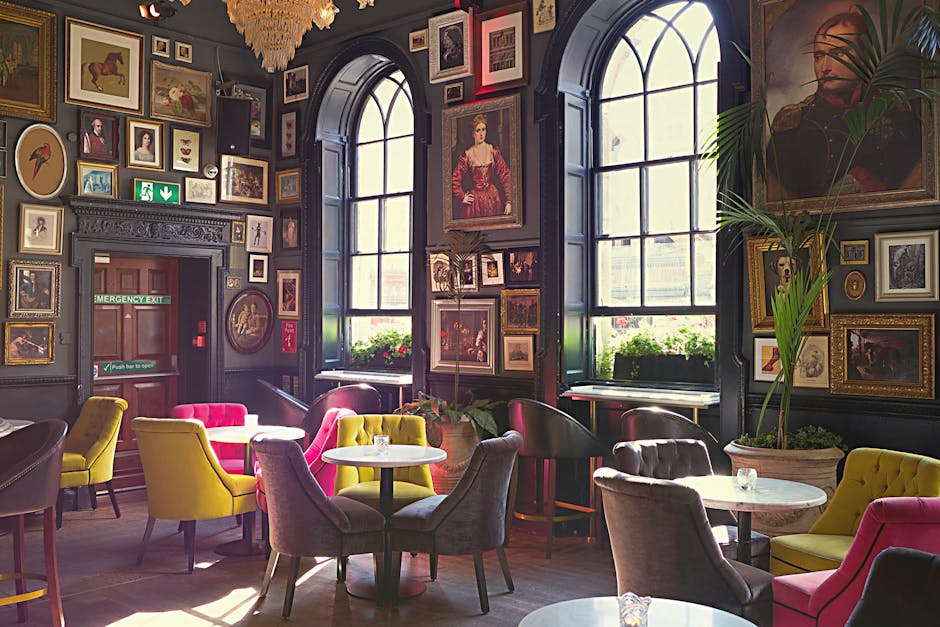
Highbury Barn steam cleaning for local pubs and cafes
Posted on 14/06/2026
If you run a pub, cafe, brunch spot, or small hospitality venue near Highbury Barn, you already know the daily story: muddy footwear by the door, coffee spills before noon, sticky patches around the bar, and that faint smell that seems to hang around after a busy service. Highbury Barn steam cleaning for local pubs and cafes is the kind of deep-cleaning approach that helps you stay ahead of all that without making the place feel shut down or overworked. Done properly, it supports hygiene, improves presentation, and gives staff a cleaner base to work from.
This guide explains how steam cleaning works, what it is best for, where it can go wrong, and how local pubs and cafes can use it as part of a sensible cleaning routine. You will also find practical steps, a comparison table, a checklist, and a few local-aware tips that make life easier when your business is busy and every hour matters.
Why Highbury Barn steam cleaning for local pubs and cafes Matters
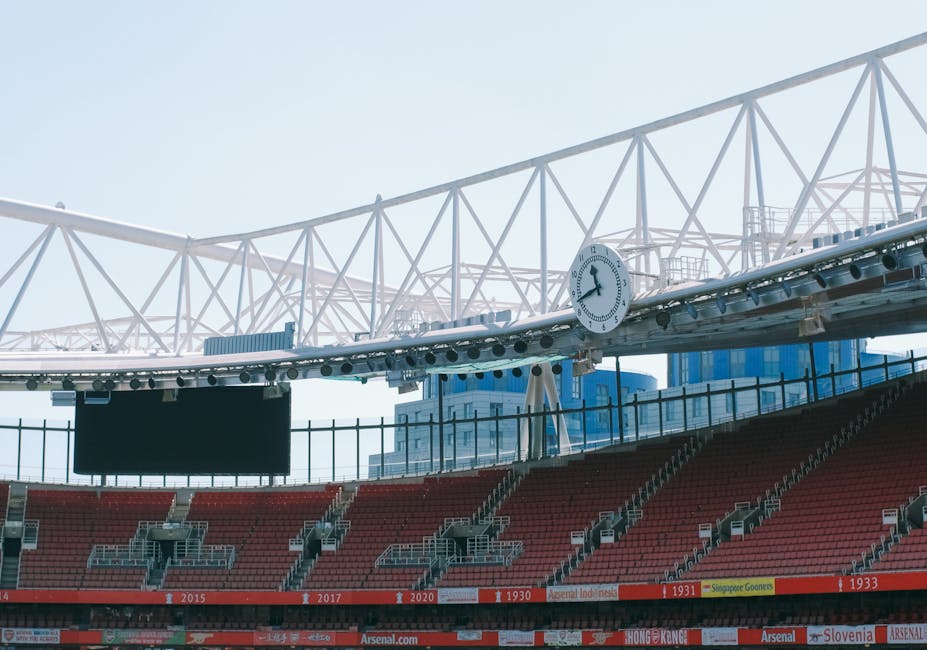
Highbury Barn sits in a part of London where people stop in for a quick coffee, a long lunch, a pint after work, or a catch-up that somehow turns into two hours. That kind of footfall is brilliant for trade, but it is also hard on floors, upholstery, entrance mats, banquettes, and all the little surfaces customers touch without thinking about it. A place can look tidy at a glance and still feel tired up close. You know the feeling.
Steam cleaning matters because hospitality venues have to do more than look presentable. They need to feel fresh, smell clean, and support a decent standard of hygiene during constant use. In a cafe, that may mean lifting grease from tiled floors near the counter or refreshing fabric chairs that have absorbed coffee steam, crumbs, and everyday wear. In a pub, it may mean bringing life back to hard floors, bar surrounds, spill-prone corners, and seating that has seen everything from Sunday lunches to late-night chatter.
There is also a reputation angle. Guests are quick to judge cleanliness, sometimes within seconds of walking in. A well-kept floor and clean seating can make a place feel managed and cared for, even before anyone checks the menu. That first impression is not everything, but it is a lot.
If you are already thinking about broader upkeep, steam cleaning often fits neatly alongside deep cleaning in Highbury and periodic one-off cleaning for busy premises. For venues that want to present consistently well, it is worth looking at the whole cleaning picture, not just one task in isolation. That's usually where the real improvement happens.
How Highbury Barn steam cleaning for local pubs and cafes Works
Steam cleaning uses heated water vapour to loosen dirt, break down grime, and lift residues from suitable surfaces. In practice, commercial steam cleaning is less about visible clouds and more about controlled heat, pressure, and fast extraction or wiping. The exact setup depends on the surface and the type of soil being removed. That sounds a bit technical, but the basic idea is simple: heat helps soften what normal mopping and spot wiping leave behind.
For hospitality settings, steam cleaning is commonly used on:
- hard floors such as tile, sealed stone, vinyl, and some sealed timber
- grout lines and corners where dirt tends to hide
- fabric seating and upholstered areas, where suitable
- bar surrounds, service areas, and other touchpoints
- kitchen-adjacent non-food-contact surfaces, where appropriate
A sensible process usually starts with inspection. The cleaner checks the surface type, identifies stains or wear, and decides whether steam is the best method or whether a different approach would be safer. Then the area is prepped: loose debris is removed, furniture may be shifted, and any vulnerable items are protected. After that, steam is applied carefully, often in sections, followed by extraction, wiping, or immediate drying depending on the surface.
The important thing is restraint. More heat is not always better. More moisture is not always better either. In a cafe with older floor finishes or in a pub with timber details, using the wrong tool can create more problems than it solves. A good operator reads the room, quite literally.
If your venue needs a broader reset, steam cleaning often works best as part of a wider service overview that includes carpet care, upholstery work, and general refreshes. A single method can help, but a joined-up approach usually lasts longer.
Key Benefits and Practical Advantages
Let's be honest: nobody in hospitality has spare time to waste on cleaning that looks busy but achieves very little. The best steam cleaning delivers practical value you can actually feel in the day-to-day running of the venue.
- Better hygiene support: Steam helps loosen residue in awkward places such as grout lines, floor edges, and fabric seams.
- Freshens the customer experience: Clean floors and seating reduce the stale, overused feeling that builds up fast in busy venues.
- Helps with stain removal: Coffee, soft drinks, food spills, and tracked-in dirt often respond better after steam pre-treatment.
- Improves appearance without over-scrubbing: Heat does much of the hard work, so surfaces can look revived rather than worn down.
- Can reduce reliance on harsh chemicals: In many situations, steam is used as part of a lower-chemical cleaning strategy, though detergents may still be needed for certain soils.
- Useful for routine and seasonal resets: It works well after events, before inspections, or at quieter times in the trading week.
There is a quieter benefit too: staff morale. A cleaner back-of-house path, less sticky residue underfoot, and seating that looks cared for makes a shift feel less grim. Small thing? Maybe. But everyone notices.
For venues that host private bookings or regular social nights, the timing matters as much as the clean itself. A venue that appears in Highbury's party spot guide will often need a different cleaning rhythm from a coffee shop serving the breakfast rush. And if your business is part of the broader local scene described in From parks to pubs in Highbury London, you already know how quickly standards are judged in a neighbourhood like this.
Who This Is For and When It Makes Sense
Steam cleaning is not just for a venue that is visibly dirty. In fact, by the time the problem is obvious to customers, you are already late. The best time to use it is before buildup becomes normal.
This approach makes sense for:
- local pubs with regular food and drink service
- cafes with fabric seating, high turnover, or baked-in foot traffic
- brunch spots and bakeries where spills happen early and often
- small hospitality sites preparing for inspections, relaunches, or seasonal trading
- venues that host events, private hire, or weekend crowds
It is especially useful if your business has a mix of hard flooring and soft furnishings. A tiled cafe floor may need a different treatment from a banquette that holds onto grease, fragrance, and the day's general hustle. And yes, the weird smell by the front window usually has a source. It's rarely mysterious, just annoying.
For owners who are comparing ongoing maintenance with a more occasional reset, a service like carpet cleaning in Highbury or upholstery cleaning in Highbury may be part of the same plan. In some venues, steam cleaning is the bridge between everyday tidying and a full restorative clean.
If you are unsure whether your space needs a one-off intervention or a more routine schedule, think about three things: how quickly visible dirt returns, how much customer contact the surface gets, and whether any odours, stains, or slip risks are building up. That usually tells you more than a calendar does.
Step-by-Step Guidance
Here is a practical way to approach steam cleaning in a pub or cafe without making it more complicated than it needs to be.
- Walk the site properly. Look at the obvious high-traffic points first: entrance, tills, bar front, under tables, around skirting, and any seating nook that gets used constantly.
- Identify the surface type. Steam can be excellent on sealed hard floors and suitable fabrics, but it is not a one-size-fits-all fix. Ask what the surface can tolerate.
- Clear the area. Move loose furniture, remove small items, and protect anything delicate. This sounds basic, but it saves time and avoids silly accidents.
- Pre-treat stains if needed. Grease, syrup, coffee, and drink spills may need a pre-treatment before steam does its best work.
- Work in sections. Clean manageable zones so moisture does not sit around longer than necessary.
- Extract or dry correctly. The goal is not just clean-looking surfaces, but surfaces that can be used safely and soon afterwards.
- Check your results under normal lighting. What looks fine in bright task lighting may still show marks under the warmer light customers see at night.
- Reset the space for service. Replace furniture, tidy touchpoints, and make sure the venue feels like itself again, just fresher.
One small but important point: steam cleaning should be planned around trade, not squeezed in randomly. A cafe that opens at 7:30 a.m. and fills up by 9:00 a.m. needs a very different cleaning window from a pub that quietens down after lunch. Timing really does matter.
If you want to compare options or line up a broader maintenance plan, the team's pricing and quotes page is a sensible place to start. If you are ready to talk specifics, you can also use the request a quote form or the contact page.
Expert Tips for Better Results
Experience counts here, because the difference between a decent clean and a genuinely useful one often comes down to small decisions.
- Use steam where it helps, not everywhere. Some surfaces benefit from it, others do not. That judgment saves time and protects finishes.
- Combine methods when needed. Steam is not a magic trick. A proper result often means vacuuming, pre-treatment, steam, extraction, and a final inspection.
- Focus on high-contact areas first. If time is tight, prioritise entrances, seating, table edges, and service routes.
- Ask for drying expectations before the work starts. Nobody wants to reopen too early and find wet patches where customers will walk. It happens more often than people admit.
- Schedule around quieter trading periods. Late afternoon in a cafe, or an early morning window for a pub, is often less disruptive than trying to fit it in mid-service.
- Check maintenance frequency. A good deep clean is easier to maintain than a neglected space. The trick is not heroic cleaning once a year. It's consistent upkeep.
A small human truth: venues often wait too long. They think, "It's not that bad yet." Then suddenly the floor feels tacky, the chairs look dull, and the place has that slightly exhausted vibe. Better to act a bit earlier. Your staff will thank you, even if they say it with a shrug.
If your team also needs support with broader seasonal upkeep, it may be worth looking at spring cleaning in Highbury as part of a fuller refresh. Not because everything is dusty and dramatic, but because hospitality spaces rarely stay clean by accident.
Common Mistakes to Avoid
Steam cleaning can go wrong in fairly ordinary ways. The good news is that most mistakes are avoidable if you know what to watch for.
- Using steam on unsuitable materials. Some fabrics, finishes, and floor types are sensitive to heat or moisture.
- Skipping pre-inspection. If you do not identify stains, wear, or damage first, you can make problems more visible or harder to treat.
- Over-wetting the surface. Too much moisture can create drying delays, dull finishes, or in some cases damage.
- Trying to do everything in one pass. Busy venues need careful zoning. Rushing usually leaves missed spots.
- Ignoring odour sources. Steam can freshen a room, but it cannot fix a hidden spill under a banquette or a damp patch behind a fitting.
- Cleaning during peak trade. That sounds obvious, but plenty of businesses still try it. It is messy, disruptive, and rarely worth it.
Another common one: expecting the clean to last forever. It won't. Highbury Barn is lively, and hospitality spaces take a beating. That is not a failure; it is just reality. The job is to reset the room at the right time and maintain the standard after that.
Tools, Resources and Recommendations
You do not need a mountain of equipment, but the right setup matters. In a commercial setting, the following usually helps:
- commercial steam equipment matched to the surface
- good vacuuming before steam work begins
- microfibre cloths for detail work and touchpoint finishing
- spot pre-treatment for food and drink marks
- furniture sliders or moving aids where appropriate
- appropriate signage if floors need time to dry
For venue managers, a simple cleaning record can also be useful. Nothing fancy. Just a practical note of what was cleaned, when, and any areas that need follow-up. That helps if you are juggling staff shifts, maintenance, and customer bookings. It also makes future cleaning easier because nobody has to start from scratch each time.
If your venue is part of a broader business portfolio or a property being prepared for multiple uses, you may also find guidance on office cleaning in Highbury useful. Some hospitality operators need cross-over support for back offices, meeting areas, or staff rooms. The same general principle applies: clean the environment so people can work well in it.
And if the venue is being readied as part of a move, change of use, or long-term refurbishment plan, broader property and local-area articles can be useful context too, including Highbury property buyer guidance and Highbury housing market insights. Not because they are cleaning manuals, obviously, but because they help you understand the local pace and expectations.
Law, Compliance, Standards, or Best Practice
For pubs and cafes, cleaning is not just about appearances. It sits alongside general duties around workplace safety, hygiene, and managing risk. The exact obligations depend on the premises, the operation, and the activity taking place, so it is wise to treat compliance as a live responsibility rather than a one-time checklist.
In practical terms, that means considering:
- safe working methods for staff and contractors
- slip risk during and after cleaning
- appropriate use of chemicals where detergents are involved
- surface suitability before applying heat or moisture
- access control so customers are not walking through freshly cleaned areas
- clear communication if areas need drying time
Best practice also means choosing a provider that treats health and safety seriously. That includes sensible site assessment, insurance awareness, and clean working habits. You do not want guesswork around a wet floor before lunch service. Really, you don't.
If you are reviewing provider standards, it can help to read the business's health and safety policy and insurance and safety information. For wider trust signals, the about us page and the terms and conditions can also tell you how the business works and what expectations are in place.
It is also fair to expect transparent handling of customer concerns. If you ever need it, the complaints procedure, privacy policy, and payment and security information support the kind of trust hospitality businesses should want from any supplier. Not glamorous, but essential.
Options, Methods, or Comparison Table
Steam cleaning is often the best fit for hospitality spaces, but it is useful to compare it with other common approaches before choosing a plan. Different problems need different tools, and the right answer is not always the same from one surface to another.
| Method | Best for | Strengths | Limitations |
|---|---|---|---|
| Steam cleaning | Hard floors, grout, suitable upholstery, hygiene-focused refreshes | Helps loosen grime, good for detail work, supports a fresher feel | Not suitable for all materials; drying and surface compatibility matter |
| Standard mopping | Routine floor maintenance | Quick, familiar, low disruption | Often leaves build-up behind; less effective on ingrained residue |
| Hot water extraction | Carpets and some fabric areas | Strong for deeper textile cleaning and soil removal | Not ideal for every hard surface; drying time can be longer |
| Spot cleaning only | Minor isolated spills | Fast and targeted | Doesn't solve wider buildup or the general tired look of a room |
In many pubs and cafes, the best result comes from combining methods rather than defending one method like it is a football team. A strong plan might use vacuuming, steam on suitable hard surfaces, hot water extraction for carpets, and upholstery care where needed. That mixed approach is usually more realistic for busy venues.
Case Study or Real-World Example
Here is a realistic example based on the kind of work hospitality venues often need. A small cafe near Highbury Barn has a tiled entrance, fabric chairs, and a few upholstered benches along the wall. Over time, the entrance starts to look grey from foot traffic, the grout darkens, and the seating picks up coffee marks and everyday body oils. Nothing dramatic. Just enough to make the place feel a bit worn, especially on a bright morning when every speck seems visible.
The owner does a quick daily clean, but that only handles the top layer. So they arrange a steam-cleaning visit during a quieter window, before opening. The focus is on the entrance tiles, the counter-side floor, and the seating areas that guests use most. The cleaner pre-inspects the materials, tests carefully where needed, and works in sections so the room can dry and reset properly before service begins.
The practical win is not just that the floor looks better. Staff notice the room smells fresher. Customers stop tracking dirt in quite so quickly because the entrance is cleaner. The seating feels less tired. The owner gets a better baseline for daily cleaning, which means the place stays manageable for longer.
That, to be fair, is the real point. Steam cleaning is most valuable when it makes everything else easier.
Practical Checklist
Use this checklist before booking or planning Highbury Barn steam cleaning for local pubs and cafes:
- Identify the surfaces that need cleaning most urgently
- Check whether floors, fabrics, or finishes are suitable for steam
- List the stains, odours, or wear areas you want addressed
- Choose a cleaning window that will not interrupt trading
- Make sure furniture can be moved or protected if needed
- Ask about drying time and post-clean access
- Confirm whether upholstery, carpets, or only hard floors are included
- Review health and safety arrangements for customers and staff
- Decide whether this is a one-off reset or a recurring maintenance job
- Plan the next routine clean so the result lasts
Practical summary: if your venue is busy, visible, and used hard every day, steam cleaning is usually worth considering before things get noticeably grim. You do not need to wait until the space looks bad to justify it. Most of the time, early action is cheaper, calmer, and much less embarrassing.
For businesses ready to move forward, the simplest next step is to review pricing and quotes and then send a quick enquiry through the request a quote page. If you prefer to ask a few questions first, the contact page is there as well.
Conclusion
Highbury Barn steam cleaning for local pubs and cafes is not just a cleaning choice. It is a practical way to protect presentation, support hygiene, and keep your venue feeling ready for the next rush. In a neighbourhood where people notice the atmosphere as much as the menu, that matters more than many owners first realise.
The best results come from treating steam cleaning as part of a wider maintenance routine: one that respects your surfaces, your trading hours, and the way customers actually use the space. When that happens, the whole venue feels easier to manage. Cleaner underfoot. Fresher in the air. Less of a fight.
Get a free quote today and see how much you can save.
And if you want to understand the local setting a little better while you plan, the broader Highbury stories on the blog, including community views in Highbury, can offer useful context. Small details, but they help.