Legal requirements for carpet cleaning waste disposal in Highbury
Posted on 10/09/2026
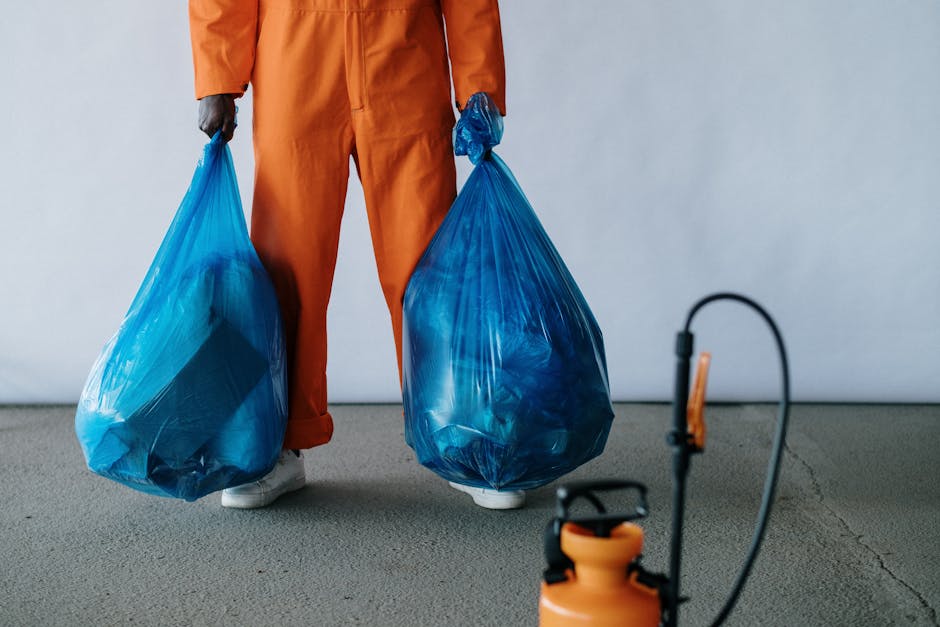
If you clean carpets in Highbury, the job does not end when the last stain lifts. The wastewater, sludge, used cloths, spent filters, and sometimes chemical residue all need handling in a way that fits UK waste rules and local expectations. That is the heart of Legal requirements for carpet cleaning waste disposal in Highbury: knowing what counts as waste, how to store it, and where it can go without creating trouble for you, your client, or the council. To be fair, this is the part many people underestimate until they're staring at a full van or a blocked sink at 6pm on a wet London evening.
This guide explains the practical side in plain English. You'll learn what applies, why it matters, how professional cleaners usually stay compliant, and where the common traps are. If your cleaning work includes homes, flats, end-of-tenancy jobs, offices, pubs, or one-off deep cleans, it's worth getting this right. And if you already handle your operations carefully, this will still help you tighten up the process a bit.
Why Legal requirements for carpet cleaning waste disposal in Highbury Matters
Waste from carpet cleaning can be deceptively messy. You may be dealing with dirty water, pre-spray residue, soil, pet hair, grease, bacteria, fibres, and the occasional unpleasant mystery item that turns up under a sofa. None of that should be treated casually. In the UK, waste handling is shaped by general environmental and duty-of-care principles, and local authorities can take a firm view if waste is dumped, poured away incorrectly, or left to create nuisance.
In Highbury, the practical issue is often access and space. Flats around busy streets, shared entrances, narrow stairwells, basement laundries, and limited parking all make waste handling more awkward than it sounds on paper. That means a cleaner needs a plan before the machine is even switched on. Clients notice this too, especially in occupied homes and managed properties where a careless disposal approach can cause odours, staining, or complaints from neighbours.
It also matters because carpet cleaning waste is not always the same as ordinary household rubbish. If cleaning chemicals are present, if the wastewater is heavily contaminated, or if the waste is collected from a commercial site, the disposal route may need more care. A good operator will separate "general waste", "liquid waste", and "special handling" items rather than lumping everything together. A bad one? Well, they tend to improvise and hope for the best. That usually ends badly.
If you're comparing service quality or just trying to understand what a responsible provider should do, it can help to look at the broader business approach too. The company's health and safety policy, insurance and safety information, and services overview should all support a cautious, documented way of working.
How Legal requirements for carpet cleaning waste disposal in Highbury Works
At a practical level, carpet cleaning waste disposal starts with classification. Before anything leaves the job site, you need to know what you are dealing with. That sounds obvious, but it's the part that decides everything else. Dirty water from a portable extraction machine, spent absorbent pads, vacuum debris, used gloves, and empty detergent containers may each need different treatment depending on the contents and the setting.
In many domestic jobs, the wastewater is collected and then disposed of responsibly through an appropriate authorised route, rather than simply tipped into a random drain or left in a place where it could spill. Some cleaners use extraction systems that recover most of the moisture, which reduces the amount left to manage. Others rely on manual decanting and container transport. Either way, the aim is the same: contain it, separate it, and dispose of it without causing pollution, blockages, or contamination.
For businesses, paperwork and consistency matter more. If you are operating in offices or hospitality settings, the expectations around waste control are higher because there are staff, visitors, and public health considerations. A pub carpet after a late-night spill is one thing; a full office floor treated with solvents is another. That's why some clients prefer an experienced provider such as office cleaning in Highbury or deep cleaning in Highbury, where the waste handling process is more likely to be built into the job rather than added at the end as an afterthought.
There is also a simple operational rule: if waste can leak, smell, stain, or spread, it needs containment. Heavy-duty liners, sealed containers, labelled transport boxes, and scheduled disposal points are all part of the normal toolkit. In some cases, a cleaner may separate reusable equipment from single-use disposal items to reduce the overall waste volume. Small habit, big difference.
Key Benefits and Practical Advantages
Good waste disposal is not just about avoiding trouble. It improves the job itself. The room smells fresher, the property dries more cleanly, and the client is less likely to spot a damp trail from the machine to the van. That matters in Highbury, where many properties are occupied, compact, and close together. One sloppy job can become a neighbour issue very quickly.
- Lower compliance risk: You reduce the chance of breaching waste-handling duties or causing pollution.
- Better client trust: Customers can see that the work is organised and careful.
- Cleaner final result: Proper containment prevents dirty water from being reintroduced into the property.
- Less disruption: No unpleasant smells, no spills in hallways, no surprise mess in shared areas.
- Better business reputation: A tidy disposal process reflects well on the whole service.
There is a less obvious benefit too: smoother scheduling. When waste management is routine, jobs finish on time more often. You're not scrambling for extra bags, chasing a missing container, or looking for somewhere to pour off liquid at the last minute. If you've ever done an end-of-tenancy clean and found the final half-hour eaten by disposal drama, you'll know exactly what that feels like.
For residents and landlords, that can be reassuring. A well-run disposal process fits neatly alongside related services like end of tenancy cleaning in Highbury and domestic cleaning in Highbury, especially where turnover is tight and the property has to be ready fast.
Who This Is For and When It Makes Sense
This topic matters to a wider group than many people first assume. Yes, it is relevant to professional carpet cleaners, but it also affects landlords, letting agents, facilities managers, hospitality businesses, and homeowners who book a one-off clean and want to know what "responsible disposal" really means.
You'll especially want to pay attention if:
- you run a carpet or upholstery cleaning business in Highbury or nearby
- you manage flats, HMOs, or rental properties
- you oversee office or commercial cleaning contracts
- you need a post-party or post-event clean where spills are heavier than normal
- you are arranging a deep clean after tenants move out
- you're worried about waste coming from chemicals, pet damage, or flood-related cleaning
There's a local angle here too. Highbury has a mix of period homes, converted flats, busy streets, and hospitality spots. That means access can be awkward and disposal routes often have to be thought through before the job starts. If access itself is already tricky, it's worth reading about access problems for Highbury Grove flat cleaning because disposal and access planning usually go hand in hand.
And if your job relates to a move-out or a rented property, you may find the wider local context useful in this end-of-tenancy cleaning guide for Highbury N5.
Step-by-Step Guidance
Here is the practical version. Not theory. The real-world sequence that keeps the job neat and compliant.
- Identify the waste stream before you start. Ask what chemicals, soil loads, or unusual residues are likely to be present. A standard domestic clean is very different from a post-renovation or cafe clean.
- Set up containment. Use lined containers, sealed buckets, or recovery tanks. If wastewater can splash, cover it. If it can leak, double-check the seal.
- Keep liquid and solid waste separate where possible. Debris, fibres, disposable cloths, and wastewater should not all be thrown into one undifferentiated pile.
- Handle chemical residues carefully. Follow dilution and handling instructions. Never assume a "small amount" means "no issue". Small amounts can still create a mess or a nuisance.
- Move waste safely off site. Do not carry open containers through shared hallways or put them where they might spill in transit. A sealed tote or secure van setup is far safer.
- Dispose through the correct route. That might mean a permitted collection service, appropriate waste transfer arrangement, or another lawful route depending on the waste type and business model.
- Document what happened. Notes, job sheets, or waste records help show that the disposal process was managed responsibly.
One small but useful habit: keep a "waste kit" ready in the van. Gloves, liners, absorbent pads, labels, spare seals, and spare container lids. Sounds mundane, I know. But those are the bits that save a job when something unexpected happens halfway through.
If you want the waste handling side to feel less like a burden and more like part of a reliable service, a provider with clear operational standards is usually the better bet. You can also compare this kind of job with broader options on the site, such as spring cleaning in Highbury or one-off cleaning in Highbury, where waste control may be part of a larger cleaning plan.
Expert Tips for Better Results
A lot of compliance issues disappear when the workflow is disciplined. Not glamorous, but true. The best teams keep things boring in the best possible way.
- Pre-sort at the source. Don't wait until the end of the job to decide what is waste and what is reusable.
- Use labels on all containers. Even simple labels help stop mix-ups between clean water, dirty water, and chemical rinse waste.
- Protect shared areas. In Highbury flats, always think about hallways, lifts, entry mats, and stair landings. A small drip can become a complaint.
- Check the client's site rules. Offices, managed buildings, and hospitality venues sometimes have their own waste procedures. Those are not optional in practice.
- Train for spill response. A cleaner who can respond calmly to a spill is worth a lot more than one who freezes and looks at the floor like it betrayed them.
- Review disposal habits regularly. Good practice can slip over time. A quick internal review every so often helps keep standards sharp.
Here's the thing: most problems don't come from one huge mistake. They come from lots of tiny shortcuts. A loose lid. An unlabelled bottle. A bucket left in a corridor for "just a minute". Then suddenly there's a stain, a smell, and a grumpy phone call. Nobody wants that.
If you're trying to evaluate a company's professionalism before booking, it can help to read more about the business itself. The pages on about us and carpet cleaning in Highbury can give you a better feel for how the service is structured.

Common Mistakes to Avoid
Some errors are obvious. Others are sneaky. Here are the ones that cause the most trouble in real jobs.
- Pouring dirty water down the wrong place. It may seem harmless, but it can create blockage, contamination, or local nuisance issues.
- Mixing different waste types together. That makes disposal harder and can make a simple waste stream more complicated than it needed to be.
- Leaving chemical containers unsealed. Vapours, leaks, and accidental contact are all avoidable.
- Ignoring building rules. A managed block may have access or waste restrictions that you need to follow.
- Assuming "it's only domestic" means no rules apply. Household jobs still need careful handling. The scale may be smaller, but the duty of care is still there.
- Failing to keep records. If there is ever a complaint, records matter more than memory.
There's also a business mistake that gets missed: not explaining disposal in the quote. Clients do not need a lecture, but they do need clarity if certain waste handling steps affect the price or timing. You can see how transparency is handled more generally in the page about pricing and quotes and in the article on hidden cleaning charges in Highbury.
Tools, Resources and Recommendations
You do not need a van full of complicated gear. But the right basics make compliance much easier.
| Tool or item | Why it helps | Typical use |
|---|---|---|
| Sealed waste containers | Reduces spills and odours during transport | Dirty water, residue, and contaminated liquid |
| Heavy-duty liners | Helps contain solids and damp debris | Fibres, cloths, filters, disposable items |
| Absorbent pads | Mops up accidental drips quickly | Van loading, doorway protection, spill control |
| Labels and markers | Prevents mixing up waste types | Sorting and storage before disposal |
| Job notes or waste log | Creates a simple record of what was handled | Compliance, client queries, internal review |
For clients, the most useful "resource" is often not a product at all. It is a provider who explains what they are doing and why. That is where pages like health and safety policy, insurance and safety, and services overview become genuinely useful. They help you judge whether the company is likely to manage waste properly or just improvise under pressure.
If the job is especially sensitive, such as after heavy soiling, pet damage, or a commercial spill, ask for the disposal approach before the cleaner arrives. That one question can save a lot of confusion later.
Law, Compliance, Standards, or Best Practice
Strictly speaking, carpet cleaning waste disposal sits under broader UK waste and environmental responsibility principles rather than a single carpet-specific law. That means the exact duty depends on the waste type, the site, and how the business operates. The safest approach is to treat all waste as if it must be properly contained, transported, and handed off in line with recognised waste-duty expectations.
For everyday cleaning work in Highbury, the practical compliance picture usually includes:
- Duty of care for waste: Waste should be managed so it does not cause harm, pollution, or nuisance.
- Safe handling of chemicals: Cleaning agents should be stored and used according to their instructions, with care taken around rinse water and residue.
- Separation of waste streams: General rubbish, contaminated materials, and liquid waste should not be treated identically if they have different handling needs.
- Local collection and access awareness: In dense urban areas, disposal planning should respect building rules and local collection arrangements.
- Record keeping: Businesses benefit from job notes, collection details, and internal procedures if questions arise later.
Best practice is not about being dramatic. It's about being consistent. If you use the same method every time, your team is less likely to miss a step. And if a client ever asks, "What do you do with the waste?", you have a straightforward answer instead of a vague shrug. Never a good look, that.
For a local business serving different property types, the safer operational mindset is to align waste handling with the company's broader standards. A provider that openly sets out its approach to safety, service scope, and customer care is usually easier to trust. If you want to understand the wider service context in Highbury, the pages on house cleaning in Highbury and upholstery cleaning in Highbury can also help.
Options, Methods, or Comparison Table
Different jobs need different disposal methods. Here's a simple comparison of the most common approaches.
| Method | Best for | Strengths | Watch-outs |
|---|---|---|---|
| On-site containment and later disposal | Standard domestic and small commercial jobs | Simple, controlled, minimal mess | Needs proper containers and transport discipline |
| Recovery tank system | Extraction cleaning with a lot of wastewater | Reduces open handling and spill risk | Equipment must be maintained and emptied correctly |
| Sorted solid waste collection | Cloths, filters, fibres, disposable items | Keeps dry waste manageable | Still needs clear separation from wet waste |
| Special handling for chemical residue | Jobs using stronger detergents or stain treatments | Safer for people and property | Must not be treated like ordinary rubbish |
There is no single universal method that suits every Highbury property. A small one-bedroom flat near a busy road and a cafe floor after trading hours are very different animals. The right method depends on access, waste volume, cleaning agents, and the property's own rules.
Case Study or Real-World Example
Picture a typical Highbury end-of-tenancy job in a top-floor flat. The carpets have a mix of everyday dirt, a few drink marks, and a heavy traffic path near the hallway. Nothing dramatic, but enough to need an extraction clean. The cleaner sets up in the hallway, protects the communal landing, and collects the wastewater in a sealed container rather than leaving it open beside the front door.
During the job, a small amount of extra residue is recovered from the machine filter. That is separated into solid waste, while the liquid waste stays contained. The cleaner logs the disposal step, checks that nothing has spilled in the stairwell, and clears down the work area before leaving. Simple enough, but it keeps the property tidy and avoids drawing attention from neighbours or the building manager.
Now compare that with a rushed version of the same job. The cleaner tips dirty water in the wrong place, leaves a damp cloth in the corridor, and forgets to wipe the container lid before loading it into the van. No disaster on its own, maybe. But stack a few of those together and you have a problem. This is why disposal discipline matters so much, even on jobs that look routine.
If the property is near hospitality venues or has after-hours cleaning needs, timing and waste control are even more important. A related local example is Highbury Barn steam cleaning for local pubs and cafes, where the work environment tends to be busier and the waste plan needs to be tighter.
Practical Checklist
Use this quick checklist before, during, and after a carpet cleaning job in Highbury.
- Have I identified the waste types in advance?
- Are wastewater and solid debris being kept separate?
- Are containers sealed, stable, and labelled?
- Do I know the site rules for access, lifts, stairs, or communal areas?
- Have I protected floors and shared spaces from drips?
- Are cleaning chemicals being handled according to the product instructions?
- Do I have a spill kit or absorbent materials ready?
- Is the disposal route appropriate for the type of waste?
- Have I recorded the disposal step or job note?
- Have I left the property clean, dry, and free from waste traces?
If you can tick those off without hesitation, you're usually in good shape. If not, pause and fix the weak point before it becomes a complaint.
Get a free quote today and see how much you can save.
Conclusion
Legal requirements for carpet cleaning waste disposal in Highbury are not complicated once you break them into sensible steps. Identify the waste, contain it, separate what needs separating, move it safely, and dispose of it through the right route. That's the practical core. The real difference between a decent cleaner and a trusted one is how consistently that process is followed, especially in tight Highbury properties where there is little room for sloppiness.
For homeowners, landlords, and businesses, the goal is the same: keep the property clean without creating another problem in the process. And that includes the bits people do not always think about until they go wrong. To be honest, the cleanest jobs are usually the quietest ones too. No drama, no spill, no awkward apology in the hallway. Just a proper finish.
If you're planning a carpet clean and want the disposal side handled with care, it is worth asking the questions early. A little clarity now saves hassle later, and that's a pretty good trade.


